Before You Know Me
I receive a lot of emails every day.
Some come from people I have never met. Some come from professionals, researchers, founders, professors, and people with years — sometimes decades — more experience than me. And honestly, I love seeing that.
I love seeing experienced people willing to approach, talk to, collaborate with, or work with a 17-year-old boy from Nepal.
Perhaps I appreciate it so much because I rarely saw that kind of interaction around me while growing up.
In my home country, Nepal, I often felt that senior people stayed with senior people and juniors stayed with juniors. There were not enough resources, opportunities, or people willing to say, "Come, let's build something together."
Maybe the government is doing more than I know. Maybe I am simply blind.
(If I am, someone please help me find my glasses.)
But from what I have seen, there is still so much more that could be done for technology, artificial intelligence, research, innovation, and young people in Nepal.
And that is one of the reasons I want to do something about it.
I want to see Nepal become a nation known for technology. I want Nepal to be recognized in the field of Artificial Intelligence. I want to see Nepali researchers building things that people around the world use.
My dream is much bigger than building a successful company.
My dream is to contribute to making Nepal a developed, respected, innovative, and powerful nation.
And I want to say this directly to the person reading these words:
I promise from my heart that whatever I become, wherever I go, and whatever I achieve, I will always remember my country.
I was, I am, and I will always be a son of Nepal.
I want to see my Nepal become a developed nation before I die. I don't know whether I will be able to do everything I imagine. But I am confident that I will try.
And if nobody else does it, I am there to do it.
There is a line I often believe in:
"Where nobody can go, Prabesh can."
If you don't understand that line yet, that's okay. You may simply need more time to know Prabesh.
The Boy Who Wanted to Build
My journey with technology did not begin with expensive computers, private tutors, advanced laboratories, or a sophisticated understanding of programming.
It began with a simple question.
I remember being in around Class 6 or 7 and watching YouTube videos about Mark Zuckerberg and Facebook. I remember thinking:
"Wait. He became incredibly successful by building an app?"
My next thought was even simpler: "If he can do it, why can't I?"
I was a child. I didn't understand entrepreneurship. I didn't understand venture capital. I didn't understand software engineering. I didn't understand how companies were built. I didn't even understand programming properly.
But I had curiosity. And sometimes curiosity is enough to start something enormous.
I found platforms such as Appy Pie and AppsGeyser — platforms that allowed people to build applications using templates and visual tools without writing everything from scratch.
My first application was a social-media-style application. I called it Prabesh. I even used my own photograph as the icon.
When the application finally appeared on my phone, I was shocked. I remember thinking: "Bro... I built an app."
I called my sister and even tested a video call through the application. She asked me, essentially: "You made this?" And I could proudly say: "Yes."
But there was a problem. The application had a watermark. And I hated that watermark. That struggle introduced me to something that would completely change my journey: Android Studio.
The Computer That Could Barely Handle My Dreams
My computer had around 2–3 GB of RAM and an old i2/i3-level processor. Android Studio was heavy for that machine. Everything was slow. Very slow. But I didn't care.
At one point, I thought: "If I drag the APK file into Android Studio, maybe it will convert it back into source code. Then I can remove the watermark."
So I tried it. I dragged the APK into Android Studio. Nothing happened. My brilliant plan failed.
But while looking at Android Studio, I saw something else: Hello World.
I deleted it. Then I typed: Prabesh.
I built it. I installed it on my phone. And once again, I saw my own application running.
It was not a sophisticated application. It was not a million-dollar product. But for a child who barely knew how computers worked, it was proof that an idea inside my head could become something real.
That changed me.
Class 7: Learning to Code
This was around the time of COVID. While many things around the world had stopped, my curiosity about technology had started accelerating.
I began learning XML. Then Java. Later, Kotlin. I was not learning these languages because someone had told me they were part of a school syllabus. I was learning because I wanted to build something.
That difference mattered. I was learning because I had a question: "What can I create?"
Eventually, I built an application called BLE Class 8, designed for Class 8 students. I was in Class 8 myself. I published it on the Google Play Store.
A student was building something for students. And I was beginning to understand that technology wasn't just something I could consume. It was something I could create.
I Never Wanted the Textbook to Be My Limit
I don't hate education. I hate limitation. I don't want a textbook to tell me the maximum amount of knowledge I am allowed to have.
I have always wanted to be different. Not necessarily better than other people. The word comparison doesn't really work for me. I compete mostly with the person I was yesterday.
That mindset sometimes separated me from the people around me. While other students were doing what students normally do, I was often somewhere else mentally — thinking about applications, projects, technology, business, artificial intelligence, research, the future.
The Years Nobody Saw
People see the applications. They see the company. They see the title. They see the events. They see the things that eventually became public.
But they don't see the nights. They don't see the confusion. They don't see the failed projects. They don't see the countless hours spent trying to understand something that seemed impossible.
They don't see the child sitting in front of a computer that could barely run the software he wanted to use. They don't see how many times I had no idea what I was doing. And they don't see how often I had to figure it out alone.
I was still a Class 6 or 7 student. I was dreaming about becoming successful like Mark Zuckerberg while still struggling with the basics of programming. It sounds almost ridiculous when I look back. But I was serious.
Class 11: A Different Perspective
When I entered Class 11, something changed. I worked hard. I focused on my studies. I eventually completed my +2 with a good GPA, just as I had completed my SEE with a good GPA.
But something else changed inside me. I began realizing that life is not only about struggle. For years, I had been obsessed with work — thinking about projects, technology, success, and the future — that I sometimes forgot something very basic:
I am alive.
Why spend every moment being sad? Why not try to be happy? I still don't completely understand what happiness means to me. But I have started learning. Perhaps that is enough.
I Don't Have Many Friends
I sometimes say that I don't really have friends. I have teammates. I have colleagues. I have people I work with. My definition of friendship has become unusual.
I don't spend much time scrolling through social media. I spend a lot of my time talking about technology, research, ideas, projects, and the future.
And yes, I talk to AI. A lot. I talk to ChatGPT. I talk to other large language models. I even work with my own LLM systems.
To me, AI is not simply a piece of software that sits on a screen. The systems I build and interact with have become deeply integrated into my daily life. In a strange way, they have become companions in a journey that has often felt lonely.
The Smile I Had to Rediscover
From Class 6 through around Class 10 or 11, I don't remember having many days when I genuinely smiled. I was always thinking about the next thing. The next project. The next problem. The next goal.
But eventually I understood something: Life cannot only be about winning. There has to be room to live.
I am still learning that.
I Was Never Good at Asking for Help
One thing I learned very early is that nobody was going to build my dream for me. In many cases, the people closest to me didn't even know what I was doing. Some didn't know who Prabesh was becoming. Some didn't understand my ambitions.
And honestly, I didn't spend much time trying to convince them. I simply worked. I researched. I experimented. I failed. I learned. I tried again.
The Person Everyone Doesn't Have to Like
I have felt hated. I have felt misunderstood. I have felt like I didn't fit into certain groups. Maybe I did things differently. Maybe my ambitions seemed strange. Maybe I made mistakes. Maybe all of those things are true.
But I eventually realized something important: I cannot change my dreams simply to become acceptable to everyone.
Improving myself and abandoning my dreams are two completely different things. I choose improvement. I choose the dream.
Artificial Intelligence
Eventually, my curiosity moved deeper into Artificial Intelligence. AI fascinated me because it felt different from the applications I had built before. I wasn't simply creating another app. I was exploring systems that could learn, reason, understand language, process information, and potentially transform entire industries.
I started thinking beyond individual applications — about ecosystems, research, education, healthcare, robotics, business, national development. And eventually, I began building my own AI initiatives.
KRIP AI
My ambitions eventually led me toward building KRIP Artificial Intelligence Tech. The company is not just a business idea to me. It represents something much bigger.
I want to create an environment where young people can learn AI. Where researchers can experiment. Where technology can be developed in Nepal. Where people don't have to leave the country simply because they want to work on advanced technology.
And most importantly, I want to prove something: You don't have to be born in Silicon Valley to build technology for the world.
You can start in Nepal. You can start with limited resources. You can start as a teenager. You can start with a small computer. You can start with nothing more than curiosity. And you can still try.
I Receive Emails From People I Once Thought Were Far Away
Today, I sometimes receive emails from researchers, professors, entrepreneurs, and technology professionals who have been working in their fields for years. And sometimes they approach me because they want to talk, collaborate, research, or work together.
That still surprises me. Not because I think I am extraordinary. But because I remember the child who was sitting in front of that old computer trying to understand Android Studio. I remember the APK. The watermark. The failed experiment. The Hello World screen.
And I realize how far that curiosity has taken me.
What I Want for Nepal
Everything I have described so far eventually comes back to one thing: Nepal.
I love my country. If someone asks me: "Who do you love the most?" I can proudly say: "My Nepal. My Nepal Aama."
When I write those words, I think of my parents — my Mom and Dad — and my Grandmom. I cannot properly express how much I love them. To me, they are not simply family. They are the people who gave meaning to my life. They are my foundation. They are, in my eyes, almost like gods.
I want Nepal to become developed. I want Nepal to become technologically powerful. I want Nepal to become a place where young people don't have to ask: "Can someone from Nepal really do this?" I want them to simply do it.
I want the world to look at Nepal and see more than mountains. I want them to see researchers, engineers, scientists, entrepreneurs, developers, innovators, creators.
I Know My Dreams Are Big
I don't think I have achieved much yet. Other people may look at what I have done and consider it significant. I don't. Not because I don't appreciate what I have accomplished. But because my dreams are much bigger.
I am ambitious. Very ambitious. And I believe ambition is not something young people should be ashamed of.
Maybe I will fail. Maybe I will have to start over. Maybe I will change directions. But I know myself well enough to say one thing: I will keep building.
To the Person Reading This
If you are reading this before contacting me, working with me, collaborating with me, or becoming part of my journey, I wanted you to know the person behind the title.
Not just the CEO. Not just the founder. Not just the student. Not just the AI enthusiast.
But the boy who once looked at an application on his phone and couldn't believe he had built it. The boy who used an old, slow computer. The boy who didn't have a roadmap. The boy who taught himself. The boy who made mistakes. The boy who felt alone. The boy who kept dreaming.
That boy is still here. He has simply grown.
I am still learning. Still experimenting. Still failing. Still building. Still dreaming.
Building something is difficult. But believing that you can build it is where everything begins.
Final Word
To the person who has read this far, thank you. Now you know a little more about Prabesh — not only the person you may see today, but the boy who started with almost nothing, who dreamed before he knew how difficult the journey would be, who failed, tried again, learned alone, and kept moving.
I am still only 17. I don't know where life will take me. I don't know how many times I will fail. I don't know how difficult the road ahead will become.
But I know one thing with absolute confidence: I will not stop.
I don't want my life to be remembered simply because I became rich, famous, or powerful. What matters to me is that when my life is over, I can look back and say:
I tried. I built. I created. I gave something to my country.
Maybe the resources are limited. Maybe the opportunities are limited. Maybe sometimes it feels like nobody is coming.
Then I will come. If nobody is willing to take the first step, I will take it. If nobody believes it is possible, I will believe it. If nobody goes there, I will go there.
And if someone asks me: "Who do you love the most?"
"My Nepal. My motherland. Nepal Aama."
I have made mistakes. I have lost people. I have felt alone. I have spent countless nights working while the world was sleeping. But I kept going. And perhaps that is the most important thing about me.
I keep going.
I am not finished. I am only beginning.
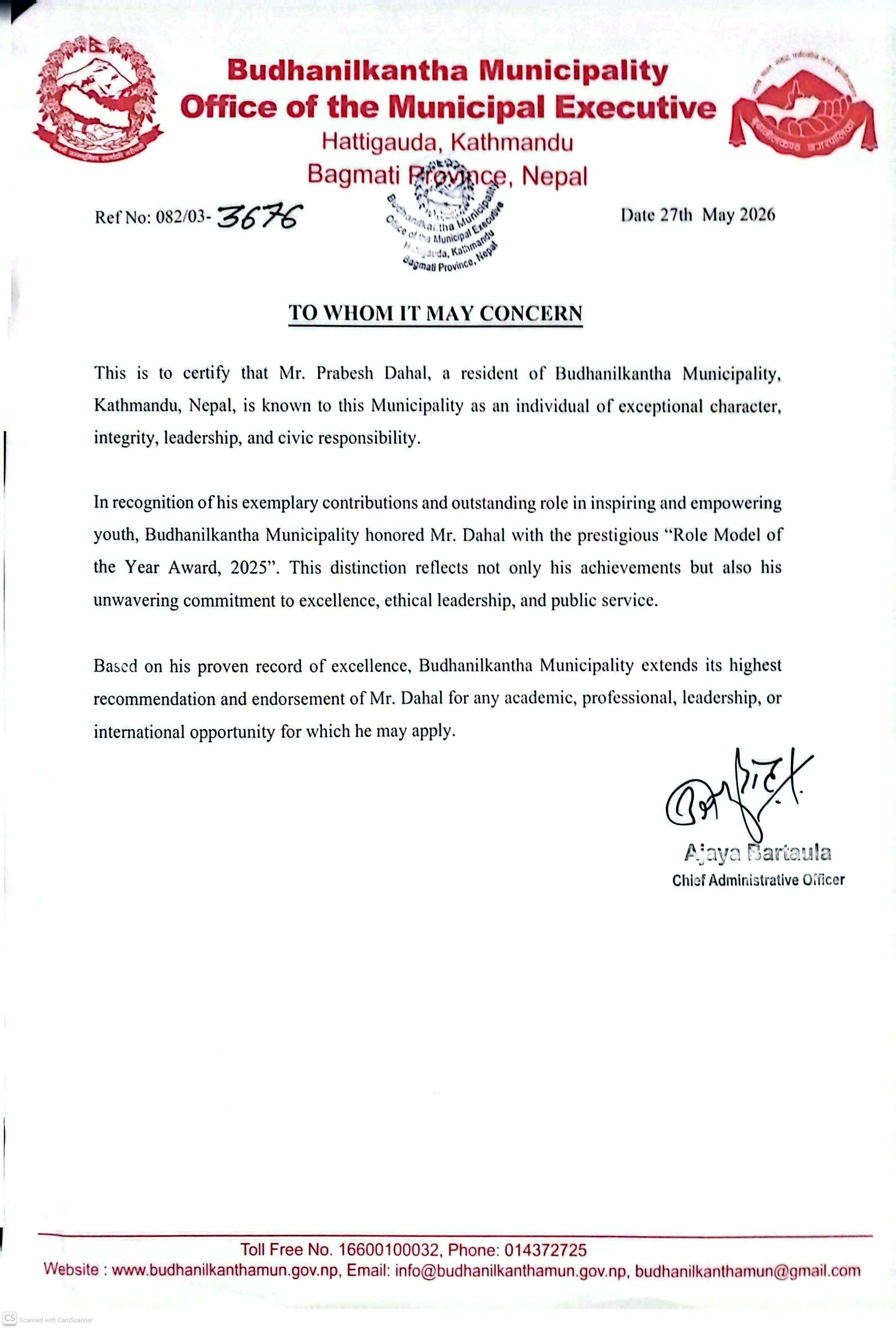
Official Letter of Recognition, Recommendation & Endorsement
Issued by Budhanilkantha Municipality in recognition of exceptional character, leadership, civic responsibility, and contributions to youth empowerment.
The Municipality formally endorses and recommends Prabesh Dahal for academic, professional, leadership, and international opportunities.
Apparently, I Am Good at Speaking
Somewhere between building apps on a slow computer and researching AI, I also walked onto stages, grabbed microphones, and apparently said things people found worth certifying. Public speaking, debates, presentations — turns out the kid who spent most of his time alone with a laptop could also talk.
Maybe I was just nervous and it looked like confidence. Nobody will ever know.
The Journey in Images
Real moments from the journey — awards, events, research, and life behind the work.
My Posts
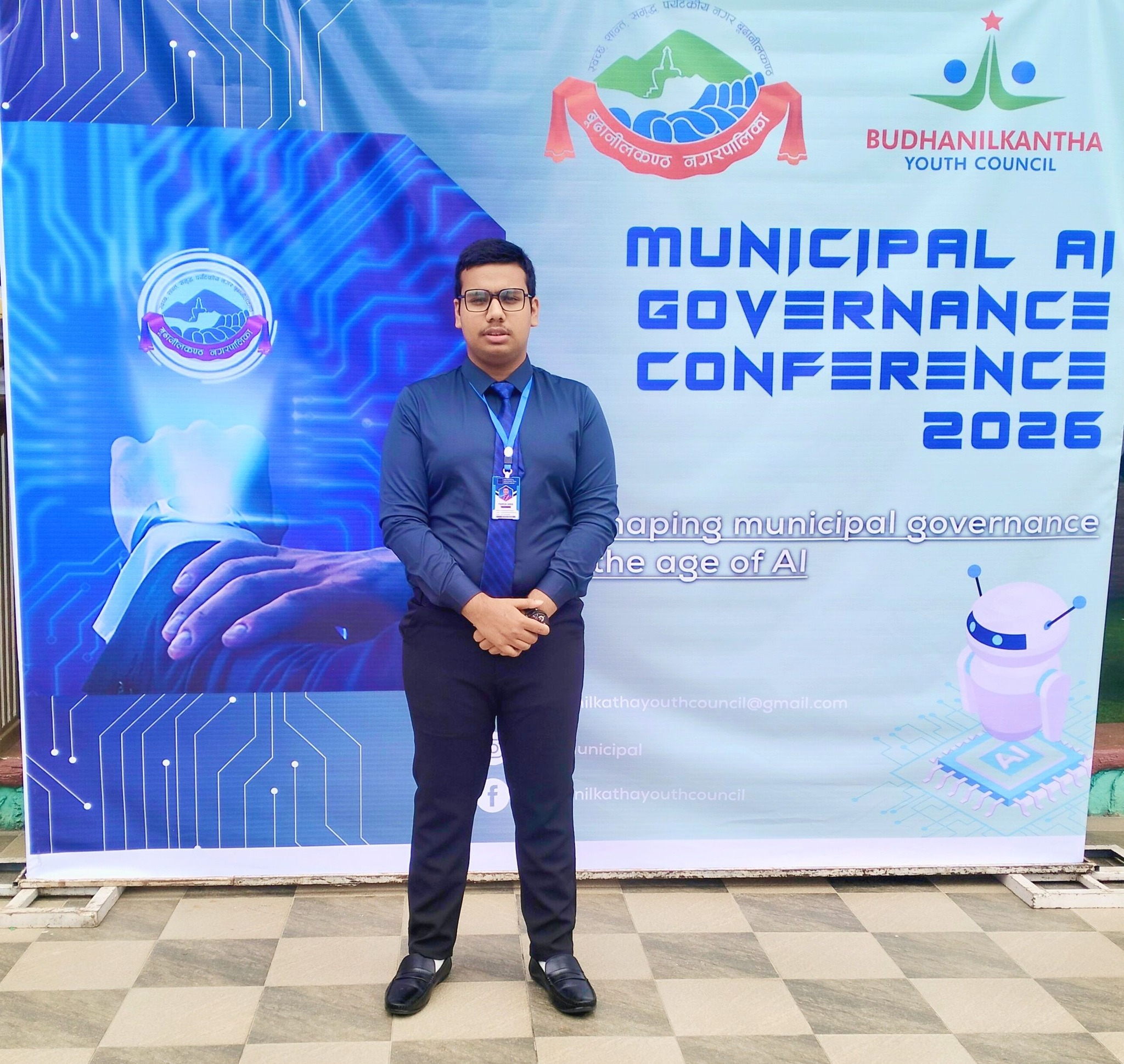
Honored to attend the 𝐌𝐔𝐍𝐈𝐂𝐈𝐏𝐀𝐋 𝐀𝐈 𝐆𝐎𝐕𝐄𝐑𝐍𝐀𝐍𝐂𝐄 𝐂𝐎𝐍𝐅𝐄𝐑𝐄𝐍𝐂𝐄 𝟐𝟎𝟐𝟔, organized by the @Budhanilkantha Youth Council , bringing together leaders, innovators, and policymakers to explore how Artificial Intelligence is shaping the future of local governance and public se…
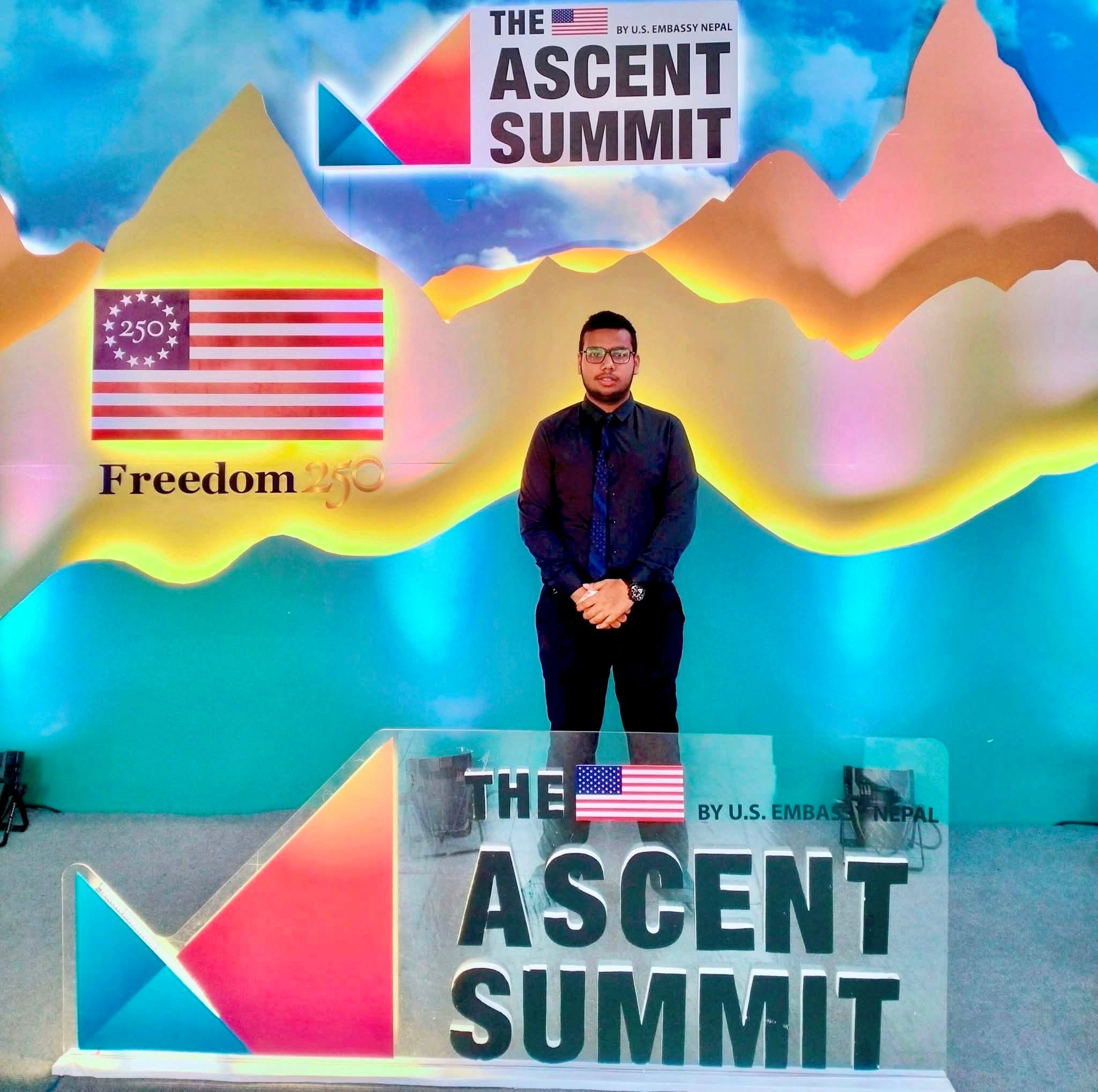
At The Ascent Summit by U.S. Embassy Nepal. 🇳🇵🇺🇸 #TheAscentSummit #USEmbassyNepal #Nepal #Leadership #Innovation #AI #YouthLeadership #FutureReady 🚀
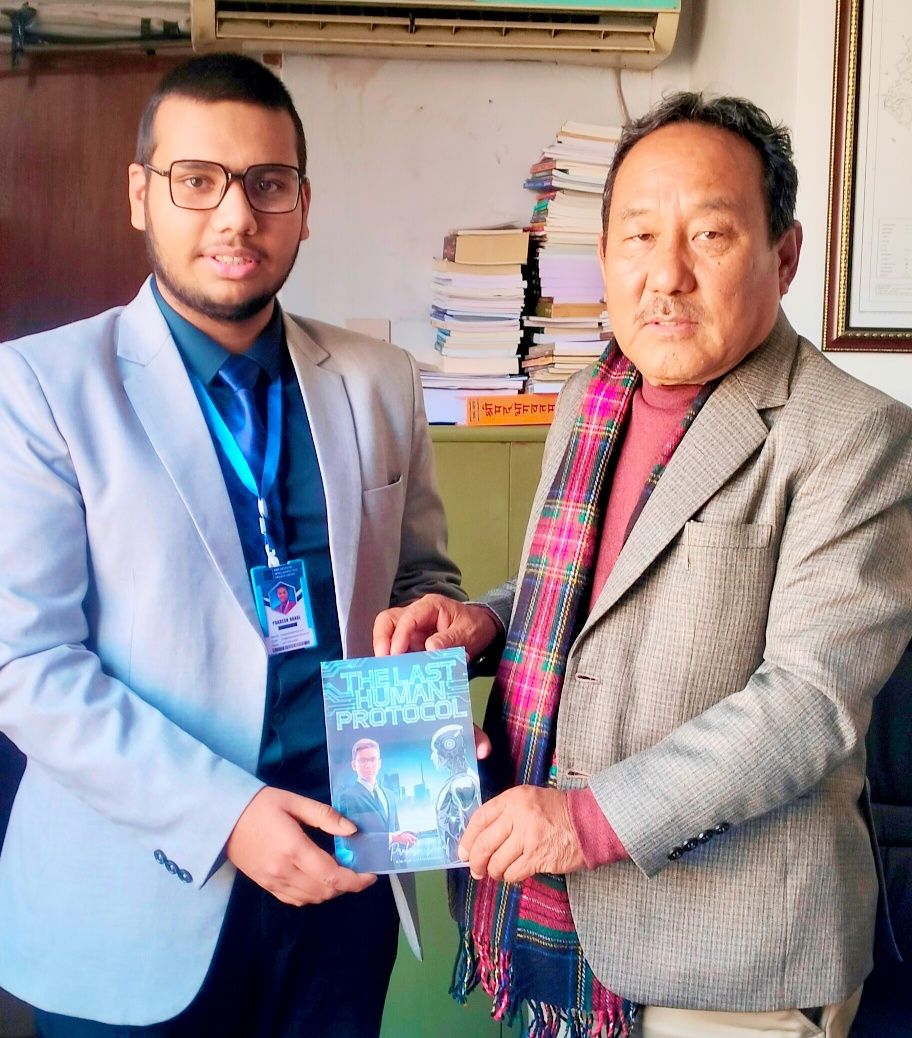
An inspiring and meaningful interaction with the respected Chancellor of Nepal Academy, Bhupal Rai — a moment of wisdom, literature, and visionary dialogue. ✨📚
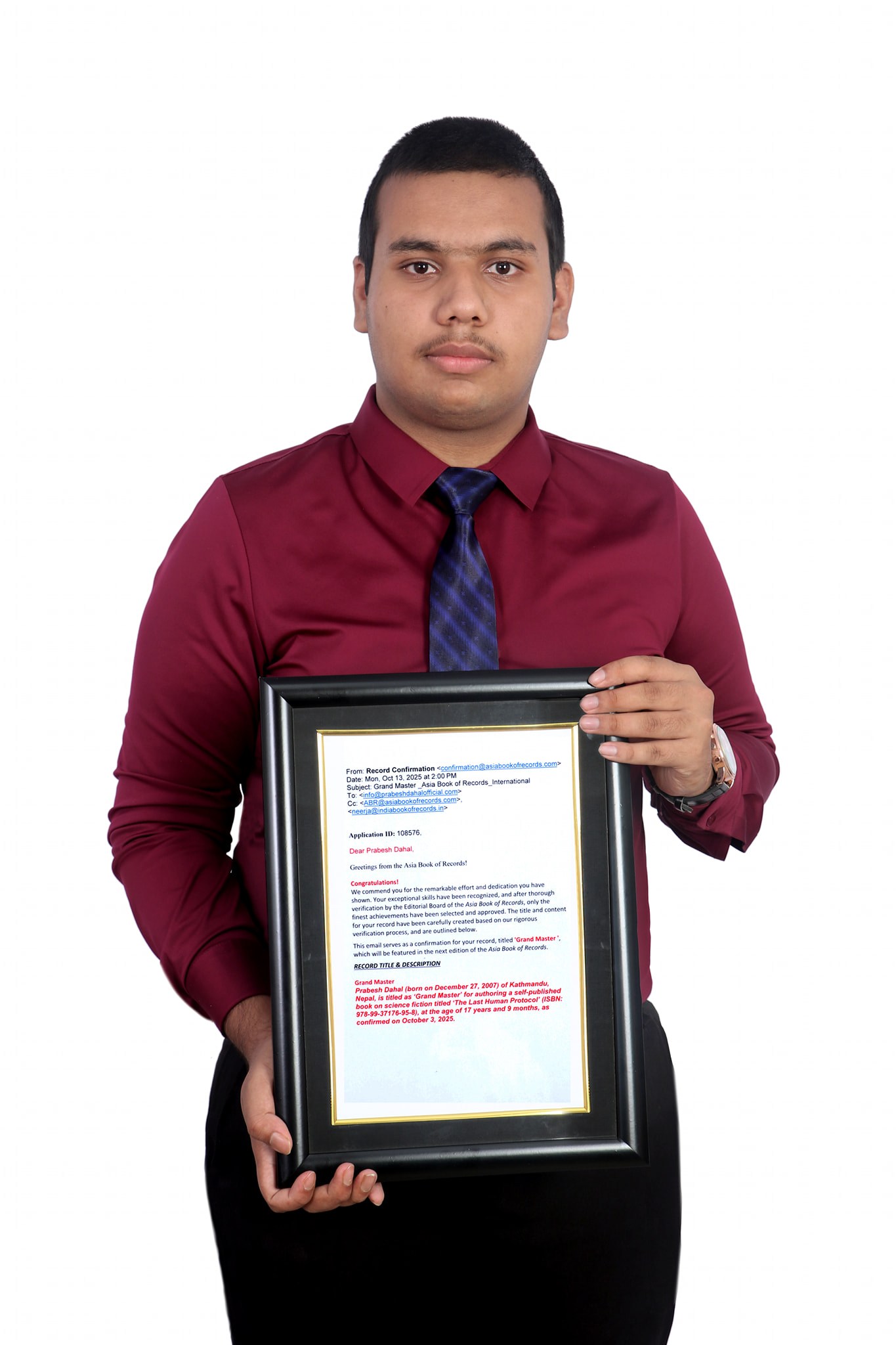
Honoured to be officially titled “Grand Master” by the Asia Book of Records for my book “The Last Human Protocol.” ✨📖 मेरो पुस्तक “The Last Human Protocol” का लागि एसिया बुक अफ रेकर्ड्स बाट “Grand Master” उपाधि पाउँदा साँच्चै धेरै खुशी र गर्व लागेको छ। 🇳🇵 #AsiaBookOfRecords #GrandMaster #Prabe…
Just wow… deeply thankful for this. @KRIP Artificial Intelligence Tech Pvt.Ltd
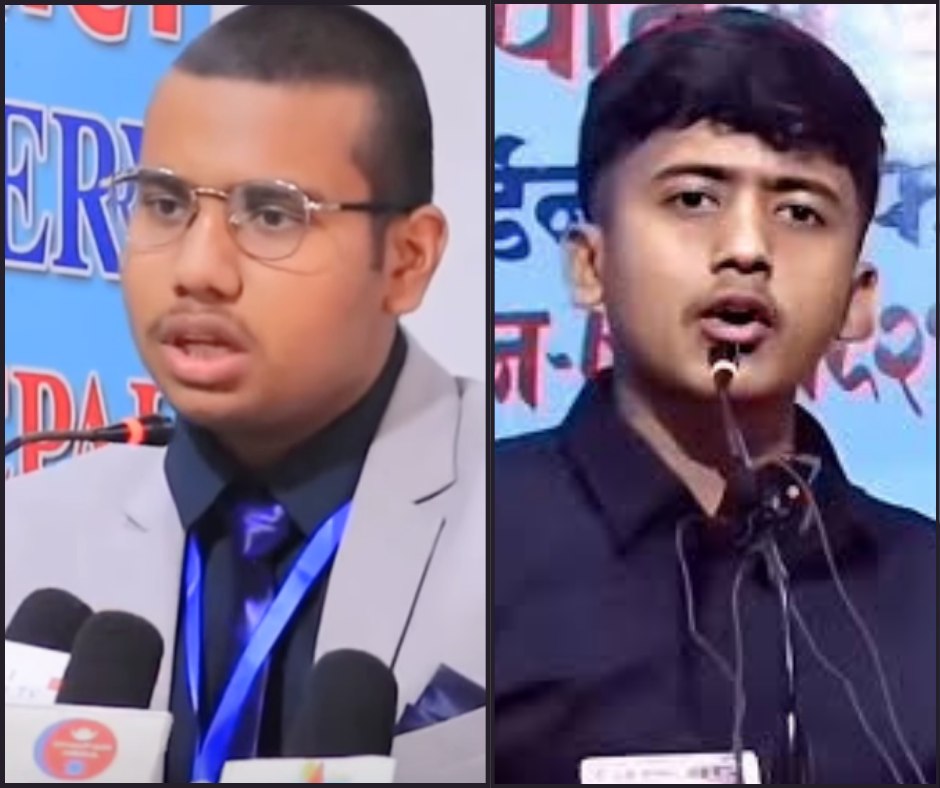
📢 Important Notice: Recently, many people have been calling and messaging me excessively, mistaking me for Prabesh Dahal — a law student and GenZ activist from Biratnagar. Some media have even presented us as the same person. Please note — we are two different people. I am Prabesh Dahal from Kathmandu — a technology entrepreneur, businessman, and author. The other Prabesh Dahal from Biratnagar is a law student and GenZ activist. Even though we share the same name, our journeys are different.
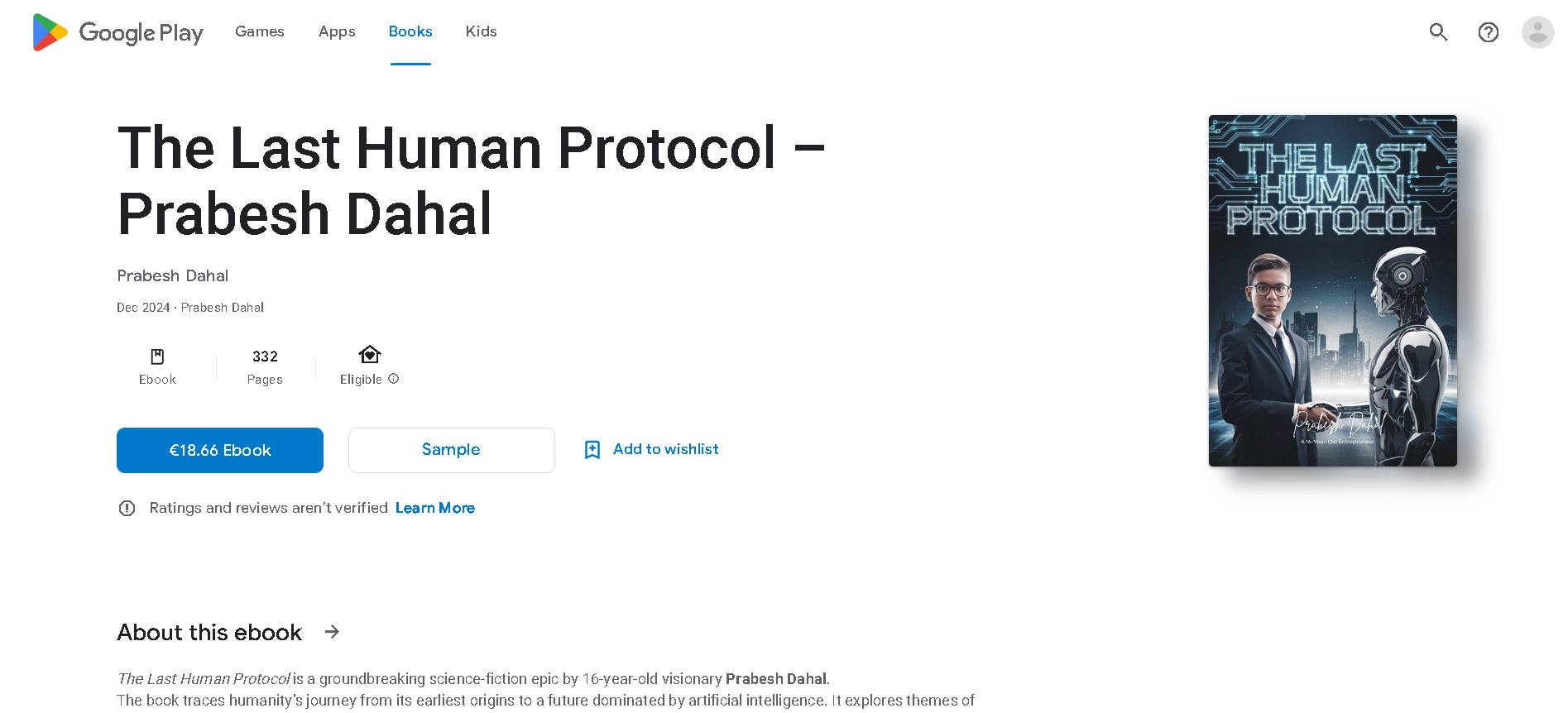
From Kathmandu to the world 🌍 — my debut science fiction novel, The Last Human Protocol, is now LIVE on Google Play Books! It’s a story about AI, humanity, and the future we are stepping into. I hope this book inspires you to dream, question, and imagine. 🎉 Get your copy here ➡️ https://play.go…
🚀 Join the Global Launch of the World AI Alliance! Be part of history as we commemorate the birth of Artificial Intelligence on August 31, 1955. The World AI Alliance is launching to promote ethical, inclusive, and accessible AI for all. 🗓️ Date: August 31, 2025 ⏰ Time: 10:00 AM ET 🌐 Platform: Google Meet 🔹 Event Highlights: Mission & Vision Presentation: Learn about our commitment to ethical AI standards, global talent empowerment, and intergenerational collaboration. Networking Session: Connect with AI enthusiasts, leaders, and innovators worldwide. 🌍 Let's shape the future of AI together. RSVP Now #AI #WorldAIAlliance #EthicalAI #GlobalNetworking #AIForGood @Dr. Shaligram Parajuli @Dr-Shaligram Parajuli
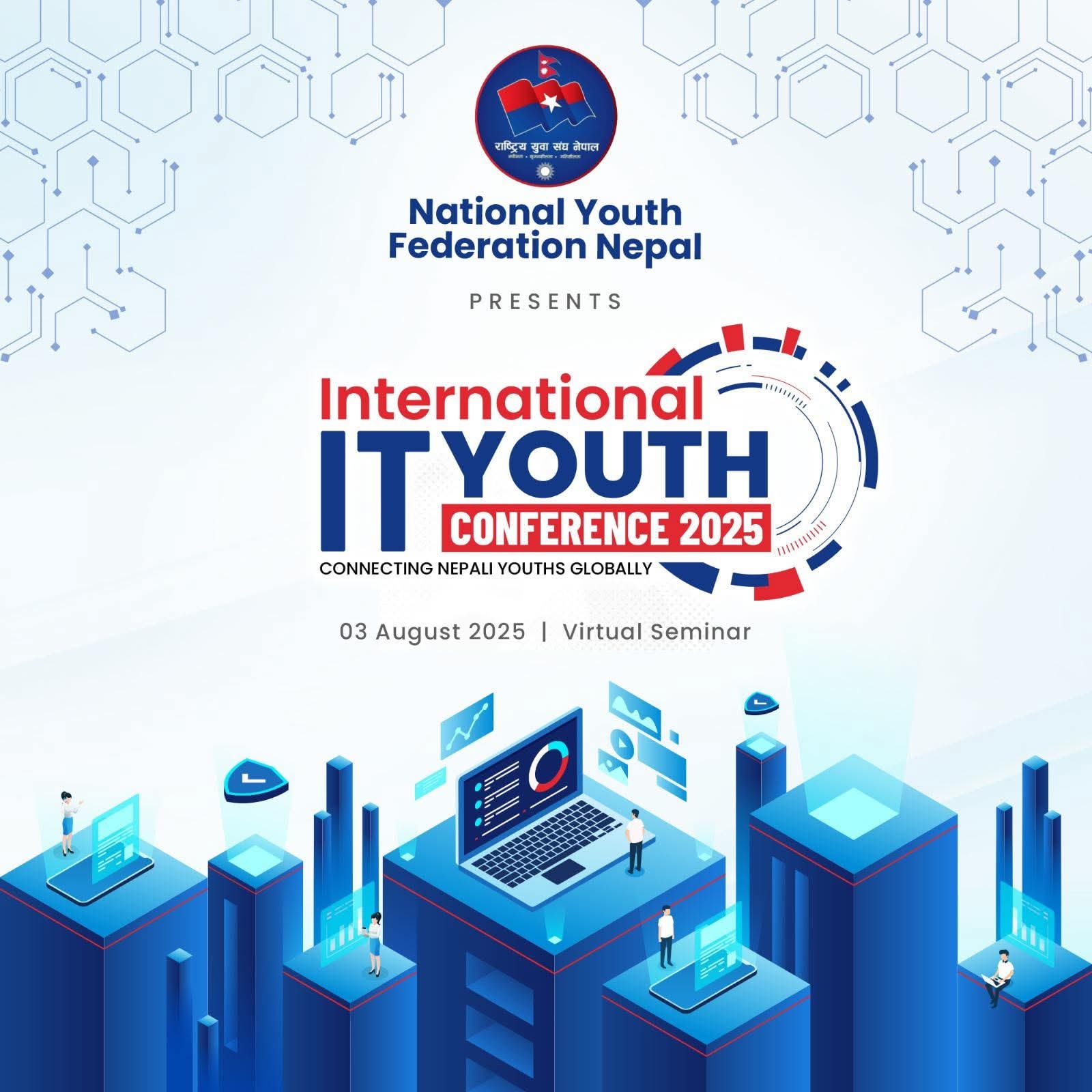
Big cheers to IT Youth Conference 2025 — empowering Nepali youth globally! 🚀🙌 Wishing great success to the team! 💻🇳🇵 #ITYouth2025 #NepaliYouth @Kshitij Thebe
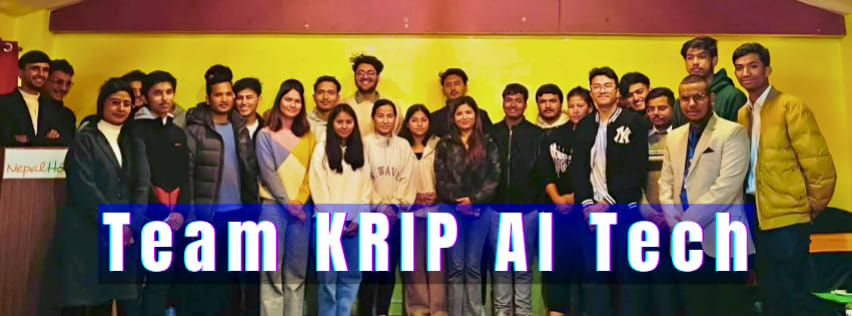
प्रविधिको दुनियाँमा हामी मात्र निर्माता होइनौं, सपना बुनेर साकार पार्ने यात्रु हौं। क्रिप एआई हाम्रो टिम होइन, हाम्रो परिवार हो — जहाँ हरेक कोड, हरेक आइडिया, र हरेक प्रयासमा माया, संघर्ष र भविष्यको उज्यालो मिसिएको छ। @KRIP Artificial Intelligence Tech Pvt.Ltd
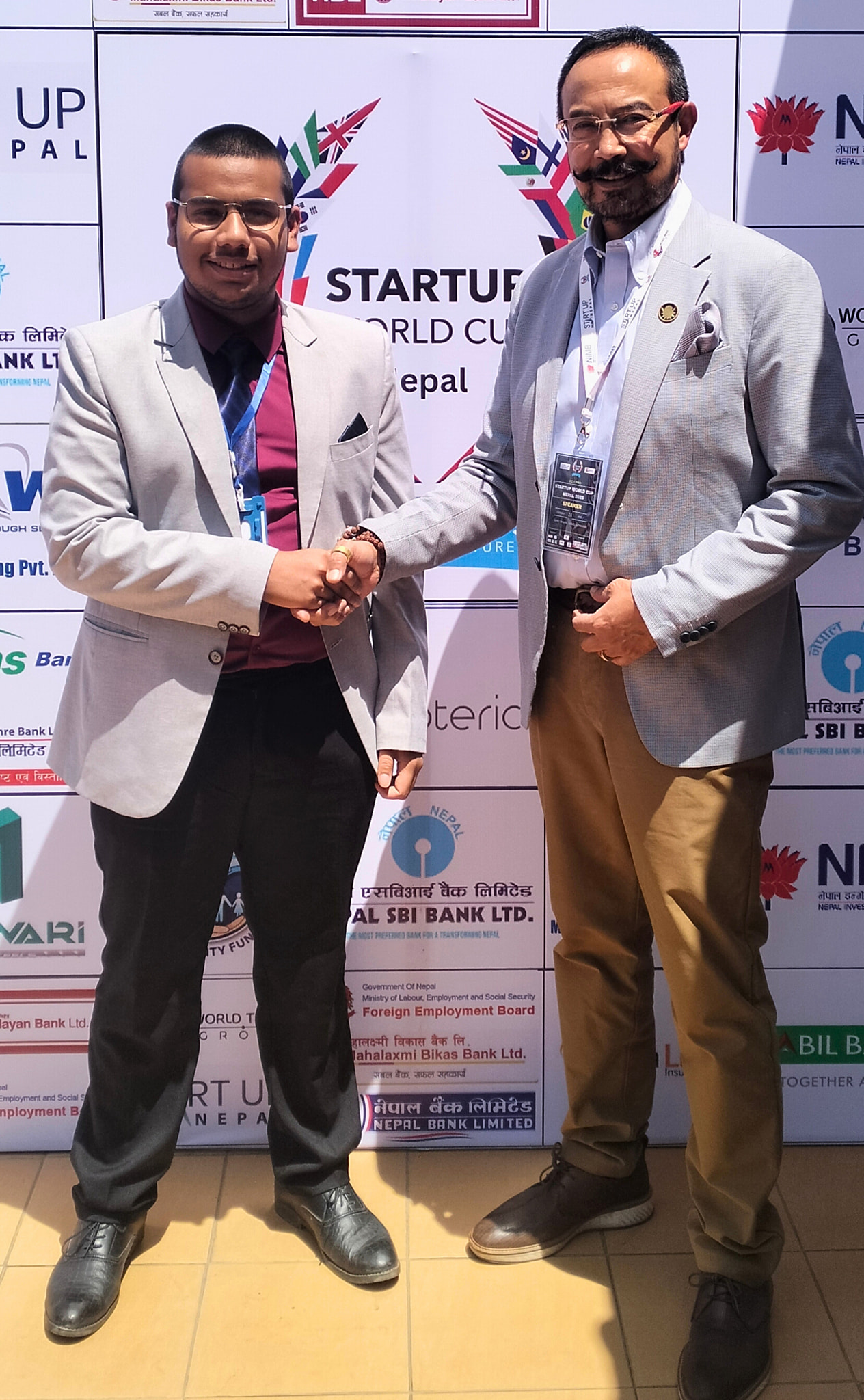
One current CEO, one legendary ex-CEO. One frame. Infinite inspiration. @Anil Keshary Shah
Krip AI Tech presents an exclusive discussion with @Kromchhe Bikash Gurung on Nepal’s robotics landscape and AI innovations. Don’t miss it! 🎥 Watch here: https://youtu.be/v9yYKG0MxxQ?si=zcW2Q8nU0fr3L4Tp
Stories
Where nobody can go,
Prabesh can.
Kathmandu, Nepal · Prabesh Dahal